


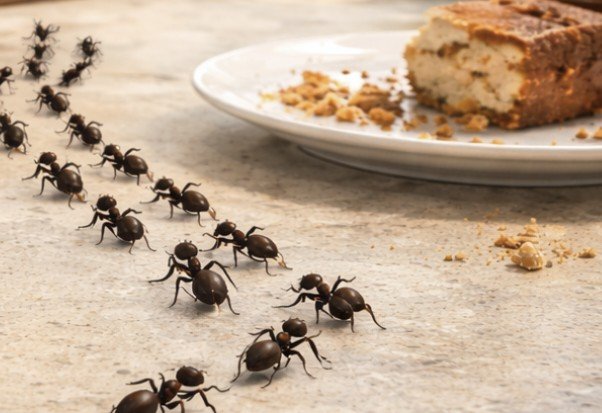
Ants are little, tenacious, and surprisingly well-organized. Your kitchen can be immaculate one moment, and then a marching line shows up as if it owns the space. I can't even begin to count how many times I've had to deal with this; the true annoyance is not being able to kill a few ants. The true difficulty lies in preventing their return.
You need a more intelligent approach if you want long-term outcomes rather than short-term respite. This tutorial explains what works, what doesn't, and how to create a home setting where ants can't survive. The objective is straightforward: how to completely eradicate ants without making your home a chemical battle zone.
Why Ants Keep Coming Back No Matter What You Do
Ants are not random wanderers. They are strategic foragers following invisible scent trails called pheromones. When one ant finds food, it signals the rest of the colony. Killing visible ants without removing the trail is like deleting a single email while leaving the mailing list intact.
Most infestations come down to three core attractors: food, water, and shelter. Even tiny crumbs, pet bowls, or a slow drip under the sink can support an entire colony. Once ants identify your home as a reliable resource, they will keep returning until that equation changes.
The key insight is this: ants are not stubborn, they are efficient. Remove the reward, and the behavior stops. Understanding this behavior is essential if you want to know how to get rid of ants permanently instead of fighting the same invasion over and over.
The Biggest Mistakes That Make Ant Problems Worse
It is helpful to know what typically exacerbates the issue before attempting to solve it.
One of the worst blunders is to spray ants right away. Although it seems productive, it frequently leads to the colony splitting and creating many nests, which makes controlling the infestation more difficult.
Relying on a single solution is another error. It takes more than one miracle spray or trap to manage ants. It involves combining focused therapy, exclusion, and cleanup.
Lastly, neglecting the outdoors is a grave mistake. When the circumstances are correct, many infections begin outside and simply spread inside.
The Secret Routes Ants Use to Invade Your Space
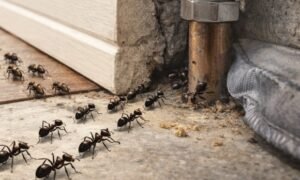
Ants do not need open doors or windows. They exploit the smallest gaps.
Cracks in foundations, gaps around pipes, loose weather stripping, and even hairline fractures in the walls can become entry points. Once inside, they follow consistent paths along baseboards, wiring, and plumbing lines.
Understanding these routes helps you cut off access instead of playing defense inside your kitchen.
The Foundation of Long-Term Ant Control: Cleanliness That Actually Matters
Perfection does not equate to cleanliness. It entails eliminating the particular items that ants are interested in.
Scent trails can be removed by wiping counters with vinegar or lemon-based cleansers. Instead of using cardboard or thin plastic, store pantry products in sealed containers. Recyclables should be rinsed before being stored. Keep lids tight and empty the trash on a regular basis.
Special consideration should be given to pet food. Overnight feeding dishes are an open invitation. When not in use, pick them up and tidy the area around them.
This degree of hygiene helps more than merely lessen ants. It deliberately interferes with their mechanism of communication.
Natural Remedies That Ants Actively Avoid

Many natural ingredients work not because they kill ants instantly, but because they disrupt their senses, erase scent trails, or make an area unbearable for them to navigate. When used consistently, these remedies can be surprisingly effective
Coffee grounds
Spread used, dried coffee grounds near entry points or outdoor nests. The strong smell and coarse texture disrupt ant movement and discourage them from crossing.
White vinegar
Mix equal parts vinegar and water and wipe counters, floors, and ant trails. Vinegar erases scent trails that ants rely on to communicate and find food.
Peppermint oil
Add 10–15 drops to water and spray along baseboards and cracks. The strong scent overwhelms ants’ senses and blocks their navigation.
Cinnamon leaf oil
Dilute a few drops in water and apply near entry points. It interferes with ants’ trail-following ability and repels them naturally.
Cinnamon sticks or powder
Place sticks or sprinkle powder near doors, windows, and cracks. Ants avoid cinnamon because it disrupts their chemical signals.
Black pepper
Sprinkle along ant paths or entry points. The sharp scent irritates ants and forces them to change direction.
Tea tree oil
Mix a few drops with water and spray problem areas. Its strong antimicrobial scent confuses ants and deters repeat visits.
Cayenne pepper powder
Apply lightly along thresholds and outdoor entry points. The intense heat sensation creates a barrier ants will not cross.
Neem oil
Dilute with water and spray near outdoor nests or garden areas. Neem disrupts feeding and reproduction, reducing colony strength.
Lemon eucalyptus oil
Mix with water and spray around kitchens and windows. The powerful aroma repels ants and masks food-related scents.
When and How to Use Commercial Ant Baits

Commercial baits are often misunderstood. The best ones work slowly on purpose.
Slow-acting baits allow ants to transport the poison back to the nest. This is exactly what you want. Seeing more ants around a bait initially is normal and often a sign it is working.
Place baits along active trails and near entry points. Do not spray nearby, as this can disrupt the process.
Patience is essential here. Results often appear within days, but full colony elimination can take a couple of weeks.
Outdoor Prevention: The Step Most People Skip
Outdoor control is where permanent results are built.
Trim vegetation so branches do not touch your home. Ants use these as bridges. Keep mulch, soil, and firewood several inches away from foundations.
Address moisture issues like leaky hoses, poor drainage, or standing water. Many ant species thrive in damp environments.
Treating outdoor nests directly, when visible, prevents reinfestation before it starts.
Ignoring the yard while treating the kitchen is like mopping the floor while the sink is overflowing.
Sealing Your Home Like an Ant-Proof Fortress
Physical exclusion is one of the most powerful tools available.
Seal cracks with caulk, repair damaged weather stripping, and install door sweeps where needed. Pay close attention to areas where utilities enter the home.
This step does not kill ants, but it removes opportunity. Over time, this dramatically reduces the chance of future infestations.
Think of it as changing the rules of the game rather than reacting to every move.
Seasonal Ant Control Strategies That Actually Make Sense
Ant behavior changes with the seasons.
Spring is when colonies expand and scout aggressively. This is the best time for prevention and baiting.
Summer brings increased foraging due to heat and drought. Focus on moisture control and outdoor barriers.
Fall infestations often signal ants seeking warmth. Sealing entry points becomes critical.
Winter ants usually indicate an established indoor nest, requiring more targeted treatment.
Adapting your strategy seasonally keeps you ahead instead of constantly reacting.
When Professional Help Is Worth It
Sometimes, DIY methods are not enough.
Large colonies, carpenter ants, or recurring infestations despite consistent effort may require professional intervention. A licensed pest control expert can identify species, locate nests, and apply targeted treatments safely.
Professional help is not a failure. It is often the fastest path to a lasting solution when the problem has grown beyond basic control.
The Mindset Shift That Makes Ant Control Stick
Permanent ant control is less about aggression and more about systems.
Once you understand how ants think, where they travel, and what they need, the solution becomes logical. You stop chasing ants and start removing incentives.
This shift in thinking is the real secret behind how to get rid of ants permanently, not just temporarily chasing them away.
Frequently Asked Questions
1. How long does it take to fully eliminate an ant colony?
Most colonies collapse within one to three weeks when baits and prevention methods are used correctly.
2. Are natural ant remedies safe for homes with pets?
Many are safe when used properly, but always choose food-grade products and avoid open access to baits.
3. Why do ants suddenly appear even in clean homes?
Weather changes, moisture, or outdoor nest expansion can trigger sudden foraging indoors.
4. Should I kill ants when I see them?
It is better to disrupt trails and use baits rather than kill ants on sight.
5. Can ants cause structural damage?
Some species, like carpenter ants, can damage wood and should be addressed quickly.
Where Ant Problems Finally End
Getting rid of ants isn’t about going to war with your home. It’s about quiet consistency. A few smart daily habits, paired with thoughtful prevention and targeted treatment, slowly turn your space into one ants no longer recognize as worth the effort.
When you look at the problem as a system instead of a nuisance, how to get rid of ants permanently stops feeling like a never-ending chore and starts feeling like a box you’ve finally checked for good.


