

The first time I stood at the edge of Grand Canyon National Park, I remember thinking the photos never really prepare you. The scale hits harder in person. What surprised me more, though, wasn’t the canyon itself; it was how much the timing of my visit shaped the entire experience. The light, the silence, and even how long I lingered at viewpoints all came down to when I went.
After multiple visits and plenty of conversations with rangers and fellow travelers, one thing became clear: there isn’t a single perfect month for everyone. But if your goal is fewer crowds and better views, some seasons make that balance far easier to achieve than others.
Understanding the Grand Canyon’s Seasons
The Grand Canyon doesn’t behave like most destinations. Elevation changes everything. The rim can feel like early spring, while the inner canyon feels like midsummer. Knowing how seasons actually play out helps avoid uncomfortable surprises.
Shoulder Seasons: Spring and Fall (March–May, September–November)
If you’re looking for the sweet spot, this is it.
Spring and fall bring mild temperatures, thinner crowds, and a calmer pace that lets the canyon breathe. Daytime temperatures at the South Rim usually sit between 60°F and 75°F, which feels just right for walking trails or lingering at overlooks.
Why these months work so well:
- Comfortable weather for hiking and scenic walks
- Fewer tour buses and easier parking
- Clearer viewpoints without people packed shoulder to shoulder
- The North Rim reopens in mid-May and stays open until mid-October
Trade-offs to keep in mind:
- Spring can still bring late snowstorms
- Fall weather can shift quickly, especially in November
- Layering is essential due to temperature swings
This is when the canyon feels most balanced; alive, but not overwhelming.
Peak Season: Summer (June–August)
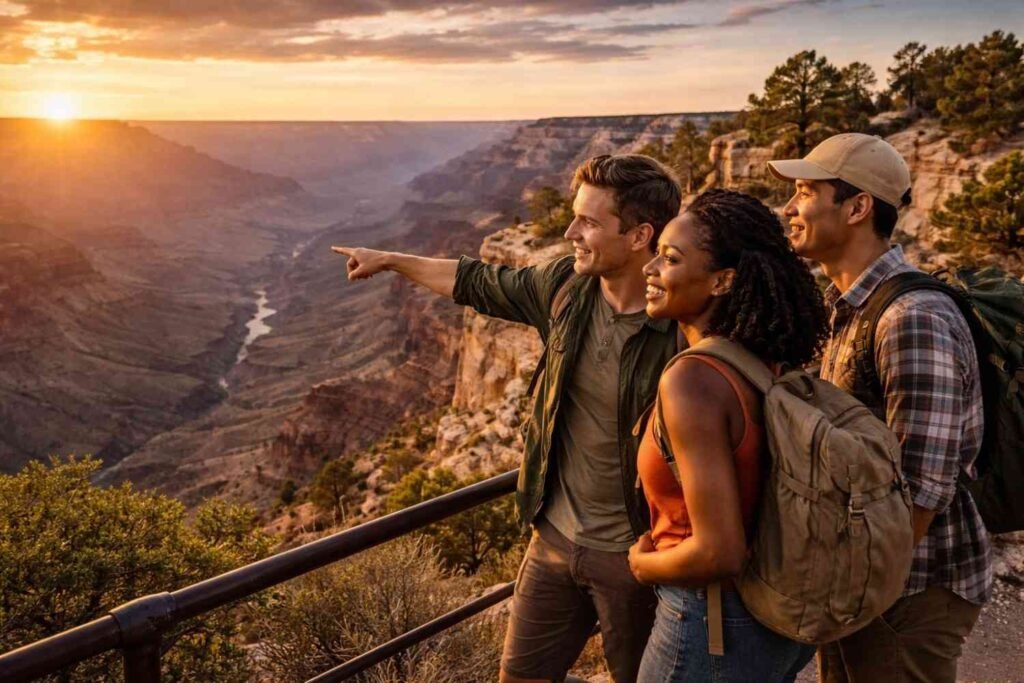
Summer draws the biggest crowds, and it’s easy to see why. School vacations, long daylight hours, and fully open facilities make it tempting.
What summer does well:
- All park areas and services are open
- Sunrise and sunset times stretch your day
- Shuttle systems run at full capacity
Where it gets tough:
- Inner canyon temperatures often exceed 100°F (38°C)
- Midday hiking can be dangerous
- Lodging books out months in advance
- July and August bring frequent afternoon monsoon storms
Views can still be incredible, but crowds and heat often pull attention away from the scenery itself.
Off-Season: Winter (December–February)
Winter feels like a different park altogether.
Snow settles quietly along the rim, and the canyon takes on a stark, almost unreal beauty. Visitor numbers drop sharply, which means more silence and space.
Why winter appeals to some travelers:
- Minimal crowds at viewpoints
- Lower lodging prices, sometimes up to 25% less
- Snow creates a dramatic contrast against the red rock walls
What limits winter visits:
- The North Rim is closed due to snow
- South Rim temperatures stay cold, often in the 40s°F
- Icy trails may require microspikes or traction gear
For those comfortable with cold weather, winter offers some of the most peaceful views of the year.
When Are Crowds at Their Lowest?
Crowds at the Grand Canyon aren’t just about the season; they’re about timing within the season. Even during popular months, the park can feel surprisingly quiet if you plan your days strategically. Small adjustments in when you arrive often matter more than when you visit overall.
The busiest moments usually cluster around late mornings and early afternoons, when tour buses arrive, and day-trippers flood major viewpoints. Outside those windows, the canyon feels far more open and personal.
The quietest times to visit include:
- Midweek days (Tuesday to Thursday), when weekend travelers thin out
- Early mornings, especially just after sunrise
- Late afternoons into sunset, once a day, visitors begin leaving
- Late November to early March, excluding holiday weeks
- Early March and late April, before peak spring break crowds arrive
Winter months consistently see the lowest visitor numbers. Snow and cold temperatures discourage casual visitors, which means viewpoints often feel almost empty. The silence during these months adds a different emotional weight to the landscape; one that many travelers find unexpectedly powerful.
Even in spring and fall, crowd levels can vary dramatically from one day to the next. Weekends, long holidays, and school breaks tend to spike visitor numbers, while ordinary weekdays remain manageable. Planning around these patterns can make a noticeable difference.
Simple ways to avoid peak congestion:
- Enter the park before 9 a.m. or after 4 p.m.
- Skip major holidays and long weekends
- Choose lodging inside the park or nearby to avoid midday entry lines
- Visit lesser-known viewpoints instead of only the most popular stops
Weather and Elevation: What Most People Miss
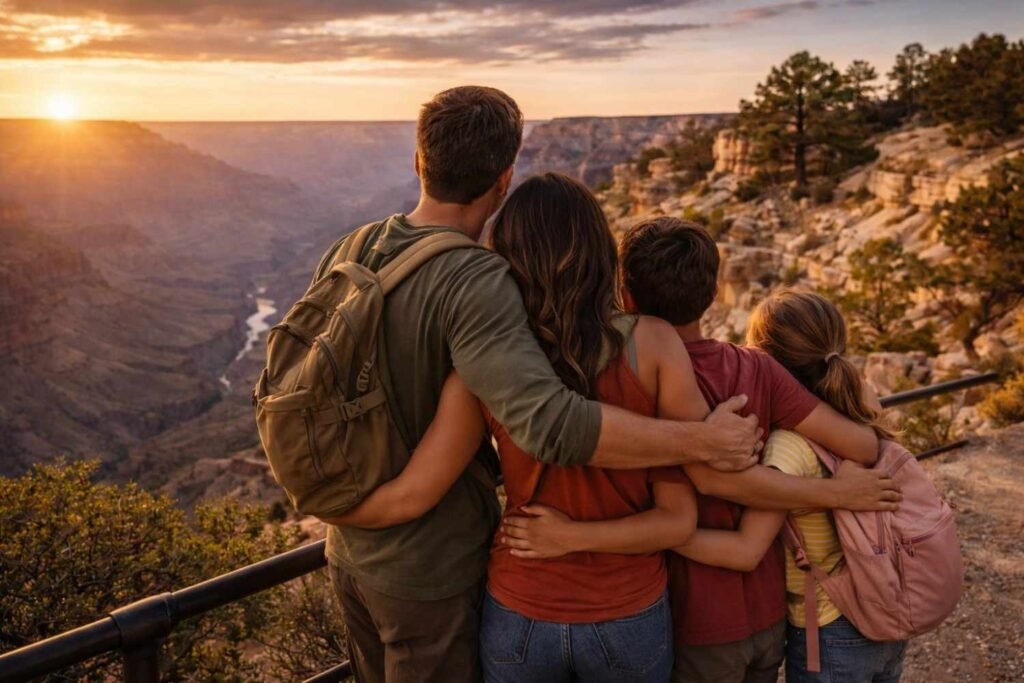
One of the biggest mistakes travelers make is packing for one temperature. The rim sits over 7,000 feet above sea level, while the inner canyon drops thousands of feet lower.
That means:
- Cool mornings and evenings year-round
- Hot afternoons below the rim, especially in summer
- Sudden weather changes in spring and fall
Layers aren’t optional here; they’re essential.
Frequently Asked Questions (FAQs)
When is the absolute best month to visit the Grand Canyon?
October often offers the best mix of mild weather, open access, and reduced crowds.
Is spring better than fall for visiting the Grand Canyon?
Both are excellent, but fall usually has more stable weather and fewer lingering closures.
Can you visit the Grand Canyon comfortably in winter?
Yes, especially the South Rim, as long as you’re prepared for cold temperatures and icy trails.
What time of day offers the best views?
Early morning and late afternoon provide softer light, fewer people, and more dramatic shadows.
Final Thoughts
The best time to visit the Grand Canyon really comes down to what you value most. If quiet viewpoints, comfortable weather, and unhurried moments matter, spring and fall consistently deliver the most rewarding experience. These shoulder seasons let you focus on the canyon itself rather than battling crowds or extreme temperatures.
No matter when you go, planning around weather, elevation, and timing will shape your experience far more than most people expect.
The relationship between the topic and price behavior was particularly interesting.
TraderZO analysis