
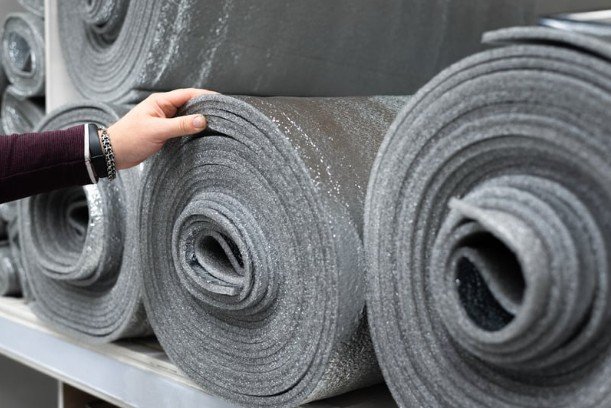
In the quest for improved energy efficiency, homeowners and builders are increasingly turning to innovative materials that offer superior thermal performance. One such technology gaining traction within the construction industry is reflective insulation. This form of insulation plays a significant role in reducing heat transfer, thereby contributing to lower energy consumption and enhanced indoor comfort.
Understanding Reflective Insulation
Reflective insulation is a type of insulation that primarily works by reflecting radiant heat away from a building’s interior. Unlike traditional insulation materials, which rely predominantly on resistance to conductive heat flow, reflective insulation utilises reflective surfaces, often composed of aluminium foil, to bounce radiant heat. This mechanism is particularly effective in climates where heat gain through radiation is a significant concern.
The core principle behind reflective insulation is its capacity to reflect up to 97% of radiant heat, vastly reducing the amount of heat that penetrates a building’s envelope. This is crucial for both hot and cold climates. In warmer months, reflective insulation prevents unwanted heat from entering the home, and in colder months, it helps to retain indoor heat by reflecting it back inside.
The Mechanism of Reflective Insulation
Reflective insulation typically consists of a reflective surface, such as aluminium foil, laminated onto one or both sides of a substrate material. This could be a foam, plastic film, or cardboard backing. The reflective surface reduces heat transfer by reflecting thermal radiation, whereas the substrate material offers some resistance to heat flow via conduction and convection.
The effectiveness of reflective insulation depends on several factors, including the quality of the reflective surface, the presence of air spaces adjacent to the foil, and installation techniques. Proper installation that includes creating an air gap between the insulation and external surfaces enhances its efficacy in reflecting radiant heat.
Applications of Reflective Insulation
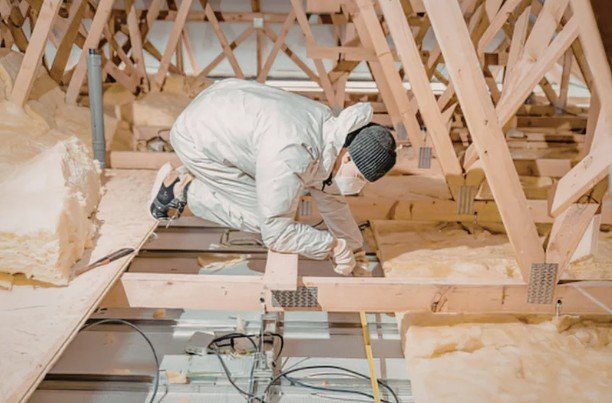
Reflective insulation is versatile and can be employed in various parts of buildings, including roofs, walls, and floors. Its application under roofing materials is particularly beneficial, as roofs receive the greatest exposure to solar radiation. By installing reflective insulation beneath the roof covering, thermal heat gain can be significantly minimised, maintaining lower indoor temperatures during summer.
In addition, reflective insulation can be used within wall cavities or as a radiant barrier in ceilings. Its ability to reduce heat transfer makes it an ideal solution in commercial and residential buildings aiming to improve energy efficiency and enhance occupant comfort.
Benefits of Using Reflective Insulation
The integration of reflective insulation into building construction offers numerous benefits. Foremost is the reduction in energy consumption. By decreasing the dependency on air conditioning systems in the summer and heating systems during winter, buildings experience lower utility bills and a reduced carbon footprint.
Moreover, reflective insulation contributes to improved indoor comfort levels by minimising temperature extremes. This consistent temperature regulation is advantageous for occupants and also protects building components from thermal stress.
Another significant benefit is the relatively lightweight nature of reflective insulation compared to traditional bulk insulation materials. This makes it easier to handle and install, potentially reducing labour costs and installation time.
Reflective Insulation and Sustainability
As sustainability becomes a focal point in construction practices, the role of materials like reflective insulation in reducing energy demand is increasingly recognised. By minimising heat exchange through radiation, reflective insulation supports energy conservation efforts and aligns with green building standards.
Considerations and Limitations
While reflective insulation offers many advantages, it is essential to consider its limitations. Its performance is highly dependent on installation quality, particularly the presence of an air gap to enable effective reflection of radiant heat. Without this gap, the insulation’s effectiveness significantly diminishes.
Additionally, reflective insulation is less effective in situations where conductive and convective heat transfers dominate. Therefore, it is often used in combination with traditional insulation materials to provide comprehensive thermal protection.
Choosing Quality Reflective Insulation
When selecting reflective insulation, one must consider the product’s reflective properties, durability, and compatibility with other building materials. Products like reflective insulation are designed to meet high standards for thermal performance and installation ease.
Engaging with reputable suppliers ensures access to certified products that can effectively contribute to meeting building codes and energy efficiency targets.
Installation Best Practices
Proper installation is critical to achieving the full benefits of reflective insulation. Key best practices include ensuring the reflective surface is clean and free from damage, maintaining an air gap adjacent to the reflective material, and sealing all seams to prevent air leakage.
Additionally, installers should follow manufacturer guidelines and consider the building’s overall thermal design to optimise performance.
The Future of Reflective Insulation
With ongoing advancements in materials science and construction technology, reflective insulation products continue to improve in efficiency and ease of use. Innovations include multi-layer reflective systems and the integration of reflective insulation with other high-performance materials.
The increasing emphasis on energy-efficient building codes and sustainable construction practices is likely to drive further adoption of reflective insulation globally.
Conclusion
Reflective insulation represents a strategic approach to enhancing energy efficiency in buildings through the reduction of radiant heat transfer. Its unique mechanism, combined with proper installation and integration with other insulation types, offers considerable benefits in terms of energy savings, indoor comfort, and environmental impact.
For professionals and homeowners seeking effective solutions to reduce energy consumption and improve thermal comfort, exploring the options available in reflective insulation provides a practical and increasingly popular choice.