Athletes across all disciplines understand the strenuous impact sports can have on their bodies. The regularly exerted force and the repetitive nature of movements can often lead to injuries, which can be detrimental to an athlete's career and overall wellbeing. One of the most vulnerable joints susceptible to injury is the knee, a critical pivot point bearing much of the strain during athletic performance.
In this comprehensive guide, we shall explore the importance of knee support for sports, detailing how it aids in not only injury prevention but also in maximizing performance for athletes.
Understanding Knee Injuries in Sports
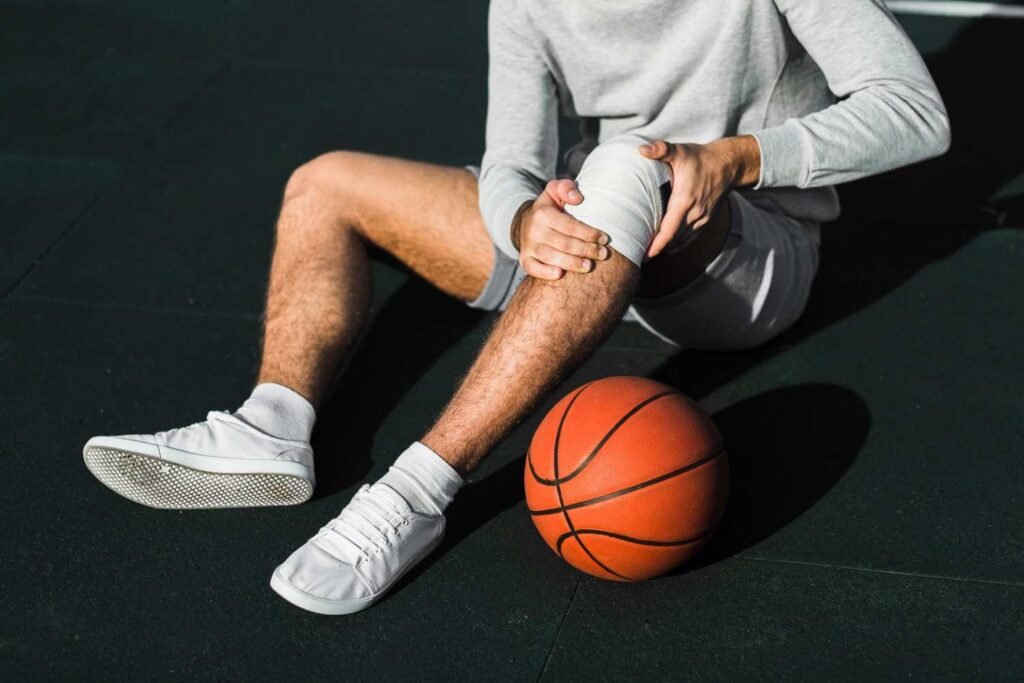
The knee is a complex joint comprised of bones, ligaments, tendons, and cartilage, working in concert to provide stability and flexibility. Within the realm of sports, this joint is prone to various types of injuries such as sprains, tears, and fractures due to sudden directional changes, jumps, and collisions. The severity of such injuries ranges from minor discomfort to cases that necessitate surgical intervention and lengthy periods of rehabilitation.
The Role of Knee Support
Knee support systems are increasingly recognised as an integral component of an athlete's gear. These systems come in various forms including sleeves, braces, and tapes, each designed to deliver a specific level of support depending on the user's needs. The primary function of knee support is to stabilise the joint, mitigate the effects of shock and pressure, and to keep the knee in correct alignment during movements. By doing so, they play a pivotal role in injury prevention.
Knee Support for Enhanced Athletic Performance
It's a common misconception that knee support for sports is only for those recovering from injuries. In reality, knee supports are equally beneficial for uninjured athletes. Wearing the appropriate knee support can enhance an athlete's performance by providing additional joint stability, improving proprioception (sense of joint position), and boosting confidence during high-stress activities.
Moreover, some knee supports are designed to aid in the improvement of circulation, which can speed up recovery times post-exercise and reduce swelling and pain.
Choosing the Right Knee Support
With a myriad of options available, selecting the right knee support requires careful consideration of several factors. These include the level of support needed, the type of sport being played, and any pre-existing knee conditions.
For dynamic sports that involve a lot of running and jumping, a lightweight and flexible brace might be ideal, allowing for a wide range of motion while still providing stabilisation. For sports that have higher risks of impact or collision, a more rigid brace may offer better protection.
Fitting and Usage of Knee Supports
Proper fitting of knee support is as crucial as the selection process. Ill-fitting supports can lead to discomfort, skin irritation, and even exacerbate the risk of injury. Athletes should ensure that their chosen knee support fits snugly without restricting blood flow. Furthermore, regular cleaning and inspection for wear and tear are important to maintain hygiene and functionality.
The Importance of Professional Advice
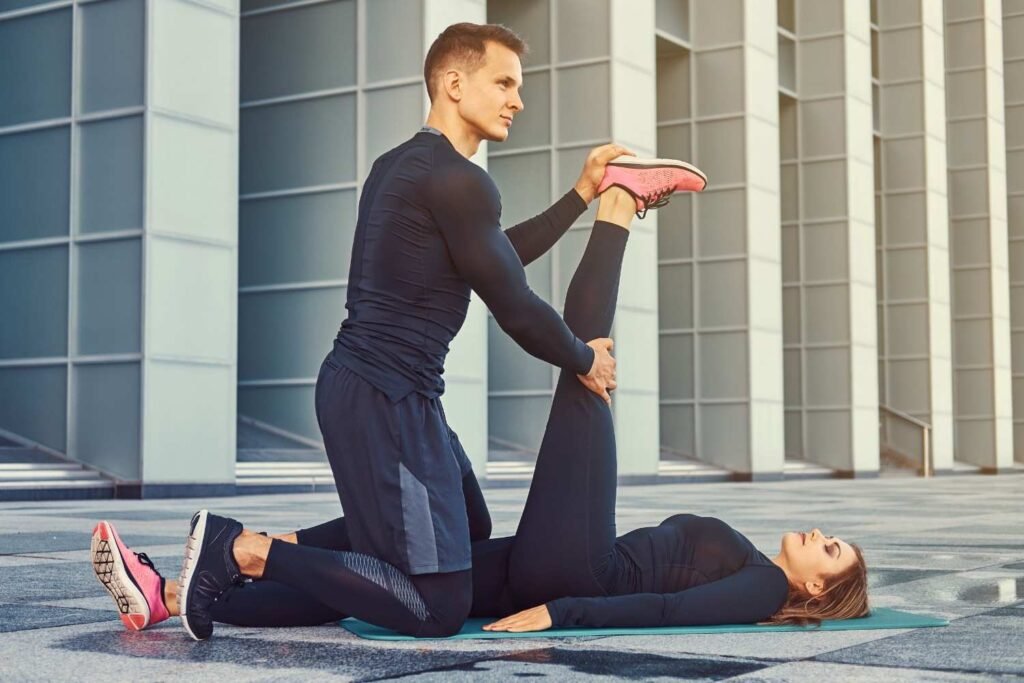
While selecting a knee support can be done independently, consulting a healthcare professional or an experienced sports physiotherapist can offer added benefits. These professionals can provide valuable advice on the most suitable type of support for an individual's sport and specific needs, help with accurate fitting, and devise a training programme that integrates the use of the support effectively.
Integration into Training Regimens
The integration of knee support into training regimens should be done gradually. Athletes are advised to wear the support for short periods initially, gradually increasing usage time as they become accustomed to the fit and feel. This approach allows for the body to adapt naturally, maximising the benefits of the support without hindering natural movement patterns.
Knee Support and Rehabilitation
In cases where athletes are recuperating from knee injuries, knee support for sports becomes an essential part of the rehabilitation process. The support helps in managing pain, reducing inflammation, and providing the gentle compression necessary for healing. Additionally, it aids in the safe and controlled resumption of sporting activities, ensuring that the knee is well-protected from re-injury.
Preventative Measures Beyond Knee Support
While knee supports offer many benefits, they should be viewed as one part of a broader strategy for injury prevention. Strength training, flexibility exercises, proper technique, and effective warm-up and cool-down routines are equally important in protecting the knees and improving athletic performance. Athletes should maintain a holistic approach to conditioning, with knee support serving as a valuable asset in their preventative arsenal.
The Psychological Benefits

It's important not to underestimate the psychological benefits that knee support can provide for athletes. Knowing that they have an added layer of protection can liberate athletes from the fear of injury, allowing them to push their boundaries and perform to the best of their abilities. Confidence and mental resilience are crucial components of sporting success, and knee support can contribute significantly in this domain.
Maintaining Knee Health in the Long Term
In conclusion, maintaining knee health is vital for athletes aiming to maximise their performance sustainably. Utilising knee support for sports, alongside other preventative practices, is an effective way to ensure joint stability, reduce the risk of injury, and instil confidence during athletic endeavours. By incorporating proper knee support into their training and competition regimens, athletes can focus on their passion for sport with a greater peace of mind and body.
Whether you're a seasoned professional, an amateur athlete, or simply a recreational sportsperson, investing in the right knee support system and following professional guidance can make a significant difference in your sporting journey. It's more than just protection; it's a tool that enables you to pursue excellence in your chosen sport, safely and effectively.
Remember, the key to longevity in sports is not just the hours of practice but also the smart choices you make in terms of equipment and body care. Knee support represents a wise investment in your athletic health and your ongoing pursuit of peak performance.