
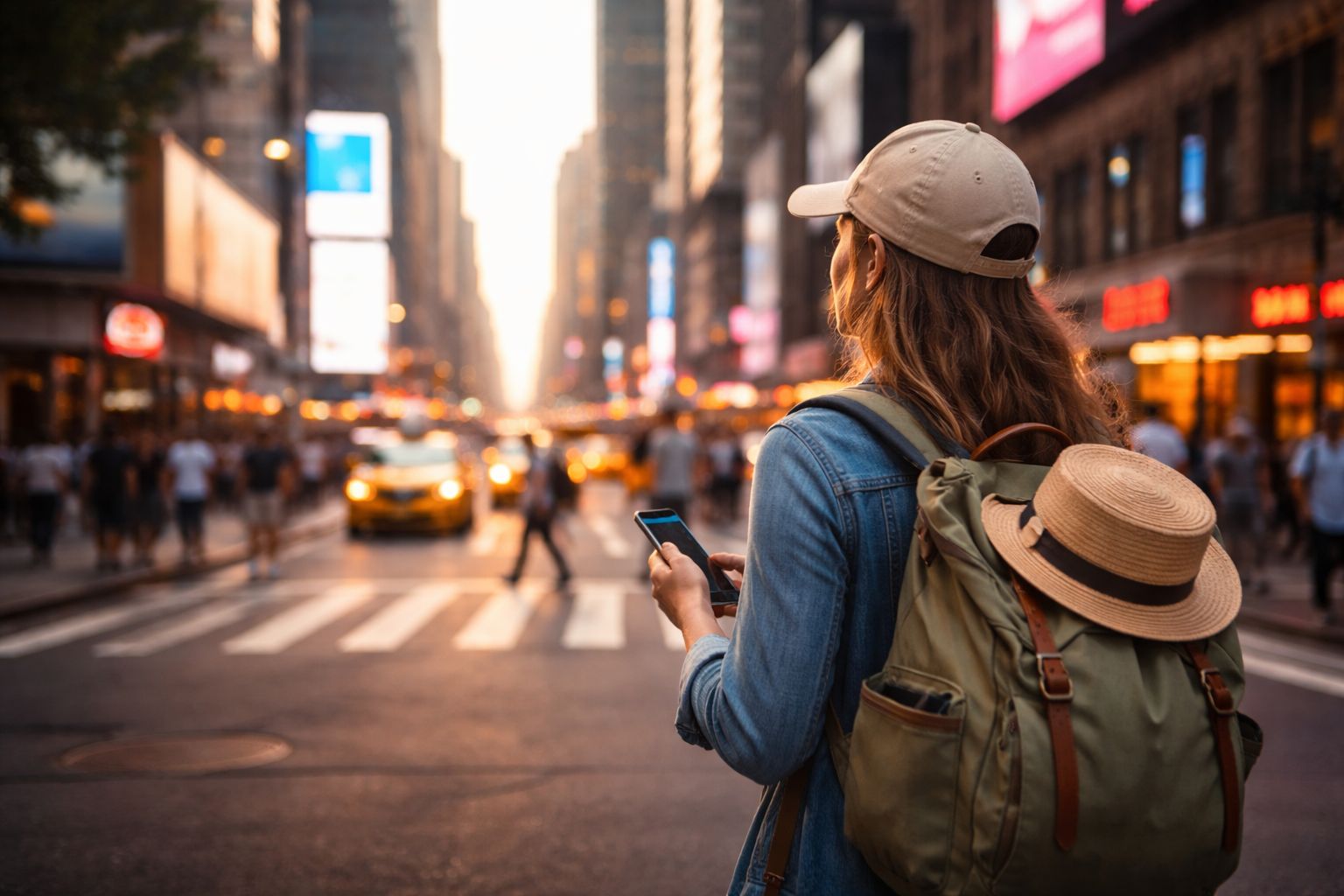
The first time I traveled solo across the U.S., I wasn’t scared, but I was alert in a way I’d never been before. The country is vast, diverse, and incredibly welcoming, but it also demands awareness. One city can feel calm and walkable, while another block just a mile away feels off for reasons you can’t always explain.
Solo travel in the USA doesn’t require paranoia. It requires presence. Most unsafe moments don’t come from dramatic situations; they come from distraction, overconfidence, or ignoring instincts. The goal isn’t to fear every street or stranger. It’s to move smart, stay prepared, and trust your judgment when something feels even slightly wrong.
Planning Ahead Without Overthinking It
Research the Area, Not Just the City
Cities in the U.S. vary block by block. A hotel with a great city name doesn’t always mean a safe neighborhood.
- Look into specific areas, not just destinations
- Read recent reviews that mention safety and walkability
- Pay attention to public transit access and lighting
Share Your Plans With Someone You Trust
This isn’t about asking permission, it’s about backup.
- Share flights, accommodation details, and rough plans
- Set a simple check-in schedule
- Leave copies of documents with someone back home
Secure Documents and Valuables Early
Losing access to ID or insurance can derail a trip fast.
- Keep digital copies stored securely
- Separate originals from backups
- Use hotel safes for items you don’t need daily
Travel Insurance Is Non-Negotiable
Medical care in the U.S. can be expensive, even for minor issues.
- Choose coverage that includes emergencies and trip disruptions
- Make sure it works across states, not just one location
Staying Safe While Exploring Cities

Stay Aware Without Looking Anxious
Confidence changes how people treat you.
- Avoid wearing headphones in unfamiliar areas
- Walk with purpose, even if you’re unsure
- Step into stores or cafés to check directions
Be Discreet About Traveling Alone
You don’t owe strangers personal details.
- Avoid saying you’re solo
- Mention meeting friends if asked
- Delay social media check-ins until later
Transportation Choices Matter
Rideshare apps and public transport are widely used, but verification matters.
- Match license plates and driver photos
- Share ride status with a trusted contact
- Avoid unmarked vehicles or casual offers
Alcohol Awareness Is a Safety Tool
Staying alert keeps options open.
- Never leave drinks unattended
- Don’t feel pressured to keep pace with others
- Know when to step away
Safety in National Parks and Outdoor Areas
Nature in the U.S. is stunning and unforgiving if underestimated.
Prepare Beyond the Trail Map
- Tell someone where you’re going and when you’ll return
- Carry water, snacks, and offline maps
- Understand weather patterns before heading out
Cell Service Isn’t Guaranteed
- Download maps in advance
- Carry a power bank
- Don’t rely solely on GPS
Respect Wildlife and Distance
Most injuries come from curiosity, not aggression.
- Keep a safe distance
- Follow posted guidelines
- Leave no trace
Accommodation Safety That Often Gets Overlooked
Choose Places With Security in Mind
- Look for consistent safety-related reviews
- Prefer properties with 24/7 staff
- Choose rooms above ground level
Secure Your Space Every Time
- Lock doors immediately
- Use security chains or portable doorstops
- Keep windows secured
Keep Check-In Low-Key
- Ask the staff to write your room number
- Avoid saying it out loud
- Stay alert in lobbies
When to Trust Your Instincts and Act Fast?
Instinct is often the first safety signal, long before logic catches up. Most solo travelers who’ve avoided serious trouble didn’t do so because they followed a checklist they did it because they listened to that quiet inner warning and acted without hesitation. In the U.S., where environments can change quickly from one block to the next, instinct is a skill worth respecting.
If a place, person, or situation suddenly feels wrong, don’t wait for confirmation. You don’t need a visible threat to justify leaving. Discomfort is reason enough. The earlier you act, the easier it is to remove yourself without escalation.
Situations Where You Should Trust Your Gut Immediately
- A street feels noticeably emptier or darker than expected
- Someone is watching you longer than feels normal
- A conversation turns personal too quickly
- You feel rushed, pressured, or subtly cornered
- Your body reacts before your mind does (tight chest, shallow breathing, tension)
What Acting Fast Actually Looks Like
- Step into a busy store, café, or hotel lobby
- Change direction without explaining yourself
- End conversations abruptly and walk away
- Call someone even if you don’t need help
- Use your phone openly to signal awareness
Why Politeness Can Be Risky
Many solo travelers stay too long in uncomfortable situations because they don’t want to appear rude. That hesitation creates vulnerability. Safety always matters more than social comfort. You don’t owe anyone your time, attention, or explanation.
- Being direct is not aggressive
- Leaving early is not overreacting
- Saying “no” doesn’t require justification
Trust Builds With Experience
The more you travel alone, the sharper your instincts become. You start recognizing patterns, tone shifts, environmental cues, and subtle behavioral changes. Over time, this awareness becomes second nature, allowing you to move confidently without fear.
Instinct isn’t about imagining danger everywhere. It’s about noticing when something doesn’t align and choosing yourself before the situation chooses for you.
Frequently Asked Questions (FAQs)
Is solo travel in the USA safe for first-time travelers?
Yes, especially with preparation. Awareness, planning, and common sense reduce most risks significantly.
Which U.S. cities are best for solo travelers?
Cities with strong public transit, walkable neighborhoods, and active tourism areas tend to feel safer.
How do solo travelers stay safe without being paranoid?
By staying present. Confidence, awareness, and instinct-based decisions matter more than fear.
Is solo travel safety different for urban vs outdoor areas?
Yes. Cities require social awareness, while outdoor travel demands preparation and respect for nature.
Final Thoughts
Solo travel in the USA isn’t about avoiding risk, it’s about managing it thoughtfully. Most trips go smoothly, and many feel empowered in ways group travel never quite matches. When you prepare well, stay observant, and trust your instincts, safety becomes part of the experience, not the focus of it.
Travel smart, stay aware, and let confidence, not fear, guide the journey.