

Gnats have a cunning way of showing up out of the blue. One day, your kitchen seems clean and fresh, and the next, little flying bugs seem to take over your houseplants, fruit bowl, and sink. The most annoying aspect of dealing with this issue, which I have encountered more times than I would like to acknowledge, is not eliminating a few gnats. It is seeing them repeatedly return.
If you are tired of waving your hands through the air and hoping the problem disappears, you are not alone. Gnats thrive on small oversights most of us never notice. This guide breaks down what actually works, what makes infestations worse, and how to change your home environment so gnats no longer see it as a place worth staying.
The goal is simple: learning how to get rid of gnats in a way that actually lasts.
What Are Gnats?
Gnats are small flying insects commonly found in homes, especially around kitchens, bathrooms, drains, and houseplants. In the U.S., the term “gnats” usually refers to fruit flies, fungus gnats, or drain flies. While they are tiny, gnats reproduce quickly and thrive in moist environments with organic material. You will often see them hovering near sinks, trash cans, overripe fruit, or damp soil. Gnats are not dangerous, but they can contaminate food and surfaces, making them a frustrating household pest. Understanding what attracts gnats is the first step to controlling and preventing infestations.
Why Gnats Appear Even in Clean Homes
One of the most widespread myths about gnats is that they only infest dirty places. In reality, gnats are far more interested in moisture and organic material than visible mess.
Even clean homes can offer ideal breeding conditions. Slow drains, damp soil in houseplants, trash cans, and wet sponges provide the moisture gnats need to lay eggs and multiply quickly.
Swatting adult gnats does not stop the next generation. Understanding this behavior helps explain why infestations return unless breeding conditions are removed.
Where Gnats Are Most Likely to Breed Indoors
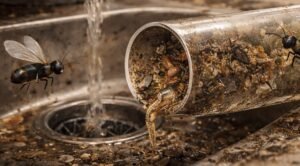
Gnats do not just show up. They remain because your house provides what they need.
Kitchen sinks and garbage disposals are frequent hotspots because organic buildup collects inside pipes. Bathroom drains provide warmth and humidity. Houseplants are another major source, especially when soil stays damp for extended periods of time. Adult gnats looking for a place to lay eggs may also be drawn to fruit left uncovered on counters.
Identifying the source is the first practical step to long-term control.
Common Mistakes That Make Gnat Infestations Worse
Before fixing the problem, it helps to avoid the mistakes that keep infestations alive.
Spraying gnats on sight may feel productive, but it only removes a small fraction of the population. Ignoring drains is another major error, since larvae live below the surface where sprays cannot reach. Overwatering plants is also a common mistake that unintentionally supports breeding.
Real progress comes from breaking the life cycle, not reacting to what you see flying around.
Clean Habits That Actually Reduce Gnats
Cleanliness works best when it targets what gnats care about.
I focus on wiping down sinks, counters, and trash can lids daily during an infestation. I avoid leaving fruit uncovered and take trash out more frequently. Recycling Containers get rinsed before storage to remove residue.
Consistent upkeep prevents conditions gnats rely on to reproduce and helps stop infestations before they start.
Natural Remedies That Work When Used Correctly
Gnats don’t disappear with a single trick. Real results come from attacking the problem on two fronts, stopping the adults you see and shutting down the breeding zones you don’t. Each remedy below serves a purpose, and when they work together, gnats lose their advantage fast.
Apple cider vinegar traps are one of the most effective ways to catch adult gnats. The strong fermented smell attracts them, while a drop of dish soap breaks the liquid’s surface tension so they sink instead of escaping. Place the trap near sinks, trash cans, or fruit bowls where gnats gather most.

Wine traps work similarly to vinegar traps. Gnats are drawn to the fermentation scent, making leftover red wine especially effective. Adding a small amount of dish soap improves the trap’s success rate.
Luring gnats with overripe or rotten fruit helps concentrate adult gnats in one area. Place the fruit in a shallow dish and position a trap nearby to reduce flying populations quickly.
Pouring boiling water down drains helps eliminate larvae and flush out organic residue gnats feed on. This works especially well for kitchen and bathroom sinks when repeated over several days.
Diluted bleach mixtures can be used for tougher drain infestations. A small amount of bleach mixed with water sanitizes pipes and kills eggs hidden below the surface. Use this method carefully and sparingly.
Indoor insect traps provide continuous control by capturing adult gnats throughout the day. These traps work well near drains, trash areas, and plant shelves and help identify problem zones.
Candle traps work best in the evening. Gnats are attracted to light and warmth, and placing a candle in a shallow dish of water can reduce activity in enclosed spaces.
Cinnamon acts as a natural repellent rather than a killer. Sprinkling cinnamon powder near entry points or plant soil disrupts gnat movement and discourages egg-laying.
Potato slices are effective for fungus gnat larvae in houseplants. Placing raw potato slices on top of the soil draws larvae to the surface. After a few hours, remove and discard the slices along with the larvae.
Each of these remedies targets a different stage of the gnat life cycle. When combined with moisture control and consistent cleaning, they create an environment where gnats struggle to survive and reproduce.
When Store-Bought Gnat Products Make Sense
Sometimes natural remedies are not enough, especially for larger infestations.
Enzyme-based drain cleaners remove organic matter that feeds larvae. Sticky traps and light traps help control adult gnats and identify problem areas. These tools work best when paired with moisture control and consistent cleaning.
I avoid foggers and heavy indoor insecticides. They rarely address the root cause and often create unnecessary exposure risks.
Moisture Control Is the Real Game Changer

Moisture is the single biggest factor in gnat infestations.
Fix leaky faucets as soon as possible and dry sinks after use. Avoid leaving wet sponges or dishcloths out overnight. Use exhaust fans in bathrooms and kitchens to reduce humidity.
For houseplants, I avoid watering on a schedule and water only when the soil actually needs it. Proper drainage makes a noticeable difference. Once excess moisture disappears, breeding stops.
How to Get Rid of Gnats Outside
To get rid of gnats outside, focus on removing moisture and organic debris where they breed. Standing water, overwatered lawns, clogged gutters, and compost piles attract gnats quickly. Keep outdoor trash cans sealed and clean up fallen fruit or plant waste.
Use outdoor fans on patios to disrupt gnat flight and apply outdoor insect traps near problem areas. Treat damp soil with proper drainage to prevent breeding. Consistent yard maintenance helps stop gnats from moving indoors.
Seasonal Gnat Problems and What They Mean
Gnats are more active during warmer months when breeding cycles speed up. Summer infestations often begin outdoors and move inside.
In cooler months, gnats usually point to an indoor source. When this happens, I check drains and houseplants first. Seasonal awareness helps prevent repeat infestations.
When Professional Help Is Worth Considering
If gnats persist despite consistent effort, professional help may be necessary.
Pest control professionals can locate hidden breeding sites and apply targeted treatments safely. This is especially helpful for severe drain infestations or commercial spaces.
Asking for help is not giving up. It is choosing a faster solution when DIY methods reach their limit.
The Mindset That Makes Gnat Control Stick
Permanent control is about systems, not shortcuts.
Once I stopped chasing flying insects and started removing moisture, organic buildup, and breeding sites, everything changed. That shift is the real answer to how to get rid of gnats without repeating the same cycle every few weeks.
Frequently Asked Questions
1. How long does it take to eliminate a gnat infestation?
Most infestations improve within one to two weeks once breeding sites are removed.
2. Are gnats dangerous to humans?
They are mostly a nuisance but can contaminate food and surfaces.
3. Why do gnats keep coming back after cleaning?
Hidden moisture or organic buildup often remains in drains or soil.
4. Do houseplants cause gnat infestations?
Yes, overwatered soil is one of the most common sources.
5. What is the fastest way to stop gnats?
Removing moisture and breeding sites is the most effective approach.
Where Gnat Problems Finally End
Consistency beats intensity every time. Small daily habits, combined with moisture control and targeted treatment, slowly turn your home into a place gnats no longer recognize as livable.
When you approach the issue holistically, the problem stops feeling endless and starts feeling solved.